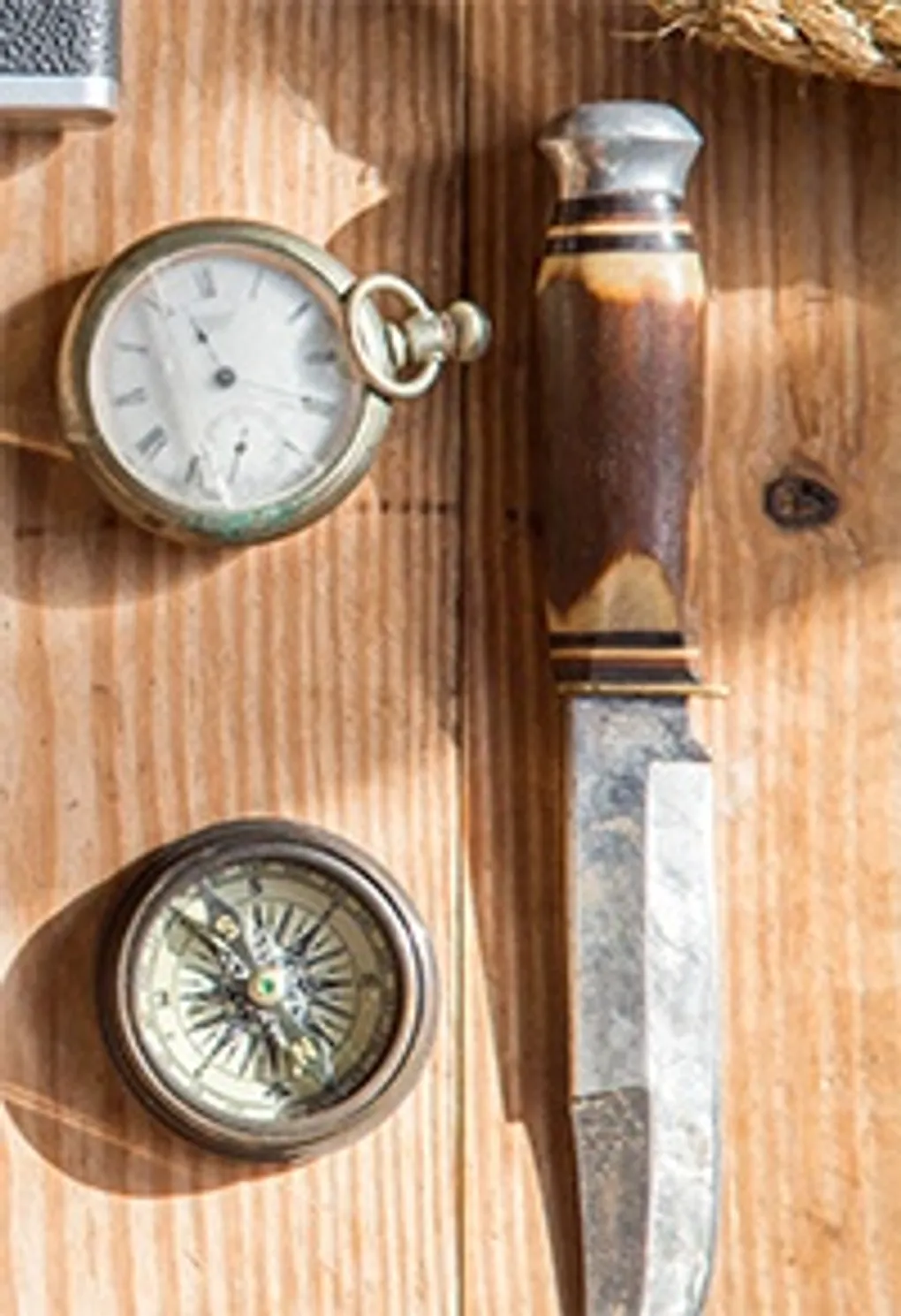
Forging Your First Knife: From Scrap to Sharp
There is a moment in every blacksmith’s life when they stop making S-hooks and decide to make something sharp. Forging a knife is the ultimate test of heat control, hammer skills, and metallurgy.
This guide combines everything I’ve learned about sourcing steel, moving metal, and the heat treat process.
Phase 1: Choosing Your Steel
You can’t make a good knife out of mild steel (like rebar or generic hardware store flats). It doesn’t have enough carbon to harden. You need High Carbon Steel.
The “Scrap” Route (The Scavenger)
- Railroad Spikes: Fun, but they don’t hold a great edge (low carbon). Good for practice.
- Leaf Springs: Excellent steel (usually 5160). Requires annealing (softening) before you can work it.
- Coil Springs: Similar to leaf springs, but harder to straighten out.
The “Pro” Route (The Engineer)
If you value your time, buy known steel. 1095 High Carbon Steel is the industry standard for a reason. You know exactly how it will behave under the hammer and in the quench.
1095 High Carbon Steel Flat Stock
Stop guessing with mystery metal. 1095 is forgiving to forge, easy to heat treat, and takes a wicked edge.
Phase 2: The Forge & Shape
- Heat it: Get your steel to a bright orange/yellow (approx 2,100°F).
- Point it: Hammer the tip first.
- Profile it: Define the blade shape and the tang (handle).
- Bevel it: Start hammering the “edge” side to thin it out. This will cause the blade to curve up (the “banana” effect), so you’ll need to correct it frequently.
Phase 3: The Quench (Do or Die)
This is where a knife is born. You heat the blade to critical temp (non-magnetic) and cool it rapidly to freeze the crystal structure.
Choosing Your Oil
- Commercial Quench Oil: The best performance. Consistent cooling speed.
- Canola/Vegetable Oil: The best budget option. It smells like french fries and works surprisingly well for 1095.
- Motor Oil/ATF: DON’T. The fumes are toxic and the additives can mess with the hardening.
Parks 50 Quenching Oil (5 Gallon)
The gold standard for fast-quenching steels like 1095. Maximizes hardness without cracking the blade.
Phase 4: The Temper
After quenching, your blade is glass-hard. If you drop it, it will shatter. You need to Temper it to add toughness.
- The Bake: Put it in a toaster oven at 400°F for 2 hours (2 cycles). This relieves internal stress and makes the knife usable.
Need a roadmap?
The Blacksmith's Archive
Hammer control, heat treating, and project ideas. Read more in our blacksmithing archive.