Woodworking 101: The Ultimate Guide to Wood Planers
If you’ve caught the woodworking bug, you know the struggle: you buy “dimensional lumber” from the big box store, but it’s never actually flat, straight, or the right thickness.
Enter the Wood Planer. This is the tool that separates the “assembling Ikea furniture” crowd from the “milling my own stock” craftsmen.
What Does a Planer Actually Do?
A thickness planer has one job: to take a board that is flat on one side (which you usually do on a jointer) and make the other side perfectly parallel to it, at a specific thickness.
It is NOT for straightening warped boards (that’s a jointer’s job). It is for thicknessing and smoothing.
Types of Planers: From Manual to Machine
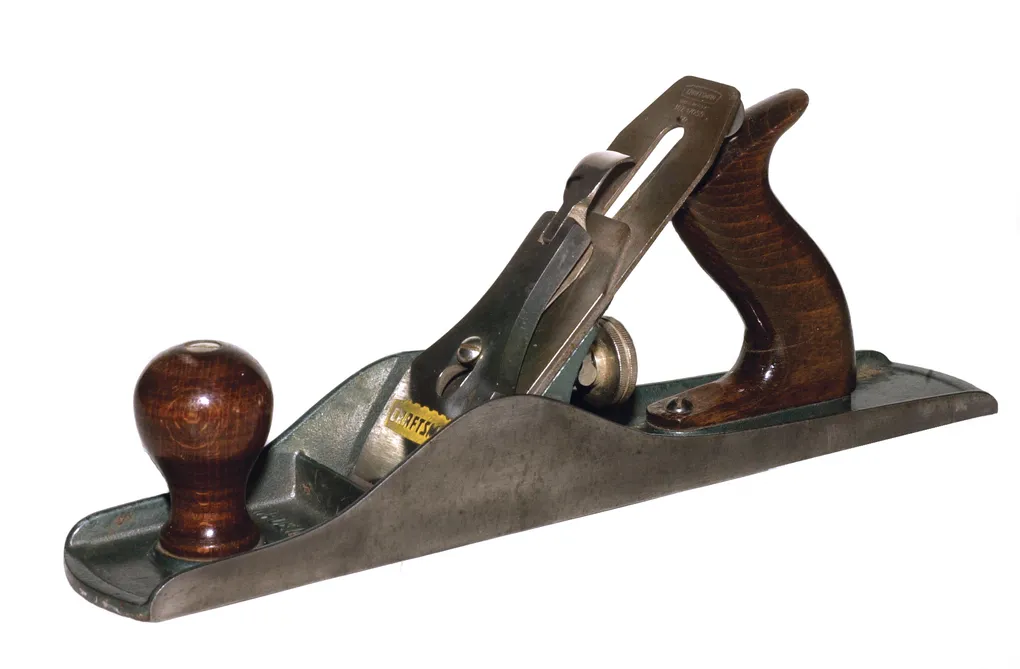
1. Manual Hand Planes
The original “cordless” tool. They require skill, sweat, and patience, but they leave a finish that sandpaper can’t touch.
- Jack Plane: The “Jack of all trades.” Used for initial stock removal.
- Smoothing Plane: The final step before finish.
GreatNeck 3-Inch Block Plane
A budget-friendly entry point into hand planing. Perfect for trimming end grain or chamfering edges.
2. Electric Benchtop Planers
For the modern garage workshop, this is what you want. It fits on a bench, runs on 110v, and saves you hours of cardio.
DEWALT Benchtop Planer (DW734)
The industry standard for home workshops. Features a three-knife cutter head and a powerful 15-amp motor.
How to Avoid “Tear-out”
The biggest mistake beginners make is feeding the wood against the grain.
- Read the Grain: Look at the side of the board. If the grain lines run “uphill,” feed that end in first.
- Shallow Passes: Don’t try to take off 1/8” at a time. Take 1/32” or less. It takes longer, but the finish is worth it.
The Digital Forge Verdict
If you are serious about building furniture, a planer is not optional. It allows you to buy rough-sawn lumber (which is cheaper) and mill it yourself. It pays for itself in lumber savings alone.
Ready to mill your own lumber?
The Workshop Archive
Dive deeper into the craft. Browse our full library of tool guides, project plans, and workshop tips.