Blacksmith Tools for Beginners: The Essentials
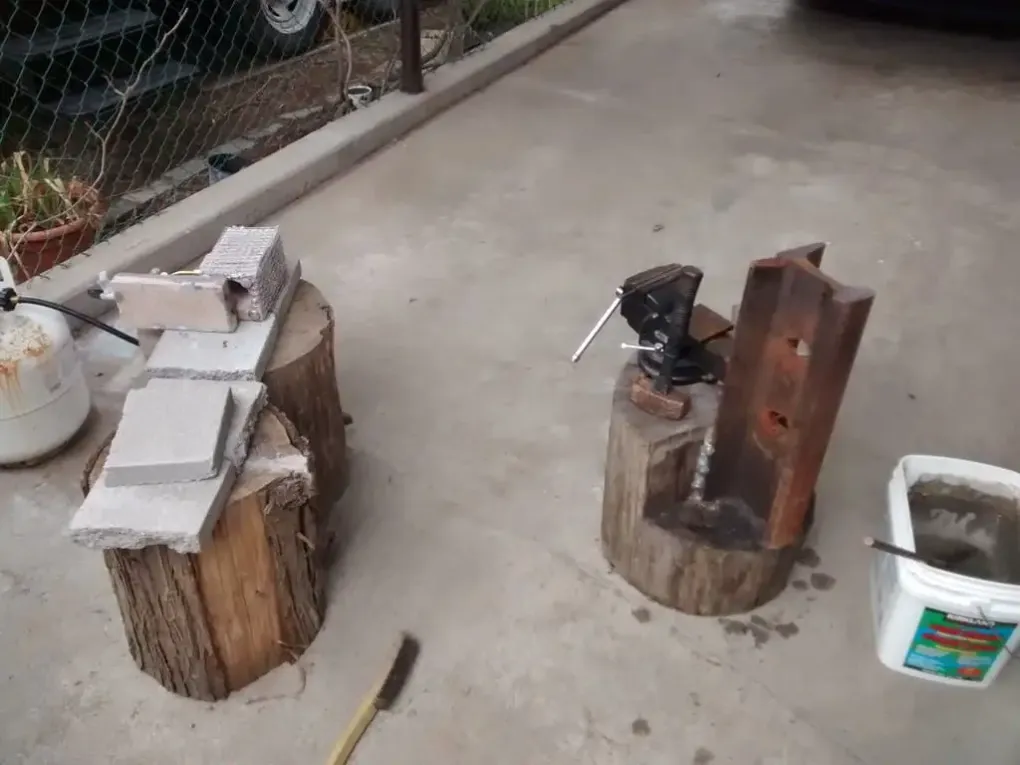
When I started blacksmithing, my anvil was a piece of railroad track spiked to a stump. My forge was a pile of firebricks and a propane torch. It wasn’t pretty, but it worked.
A lot of people get hung up on “making their own tools.” While that is a noble goal, you can’t make tongs if you don’t have tongs to hold the hot steel. Sometimes, buying the first set is the smart play.
The Absolute Essentials
We’ve covered hammers and forges in detail, but here is the quick loadout for your first day.
1. The Hammer
You need a 2-3lb Cross Pein hammer. It’s heavy enough to move metal but light enough to swing for an hour without blowing out your elbow.
2. Tongs
Don’t use pliers. Just don’t. They will slip, the metal will fly, and you will have a bad time. Get a pair of Wolf Jaw tongs. They are designed to hold square and round stock securely.
Picard Wolf Jaw Tongs
German-made professional tongs. The wolf jaw design grips multiple shapes, making them the perfect 'one pair' to start with.
3. Safety Gear (PPE)
- Eyes: Safety glasses. Always. Scale flies.
- Ears: Earplugs or muffs. Anvils ring loud.
- Hands: Leather gloves (for handling cold stock or tongs, NOT for holding hot metal).
- Lungs: If you are using coal, wear a respirator.
The “Nice to Haves”
The Hot Cut Hardie
A chisel that fits into the square hole (hardie hole) of your anvil. It lets you cut hot steel by hammering it over the edge.
Wire Brush
You need to scrub the scale off your work while it’s hot. A simple butcher block wire brush works wonders.
The Verdict
Start simple. A hammer, some tongs, and a heat source. Everything else you can make once you have mastered the basics.
Ready to start your journey?
The Blacksmith's Archive
Hammer control, heat treating, and project ideas. Read more in our blacksmithing archive.